



Learn essential summer foot care tips to keep your feet healthy and pain-free during the hot months. Expert advice on sandals, hydration, and fungal prevention.

Stay active and pain-free this Foot Health Awareness Month. Learn about heel pain, orthotics, diabetic foot care, and sports injury treatment options.

Achilles tendonitis can develop gradually, causing heel pain and stiffness that worsens over time. Learn the warning signs and how a podiatrist can help you get back on your feet.

Ingrown toenails are a common foot condition that can start as a minor irritation and quickly become painful. Learn more about how we can help with ingrown toenails.

Ankle sprains are one of the most common foot and ankle injuries, yet they're often brushed off as no big deal. The truth is, even a mild sprain deserves proper care.
Show Your Feet Some Love This February

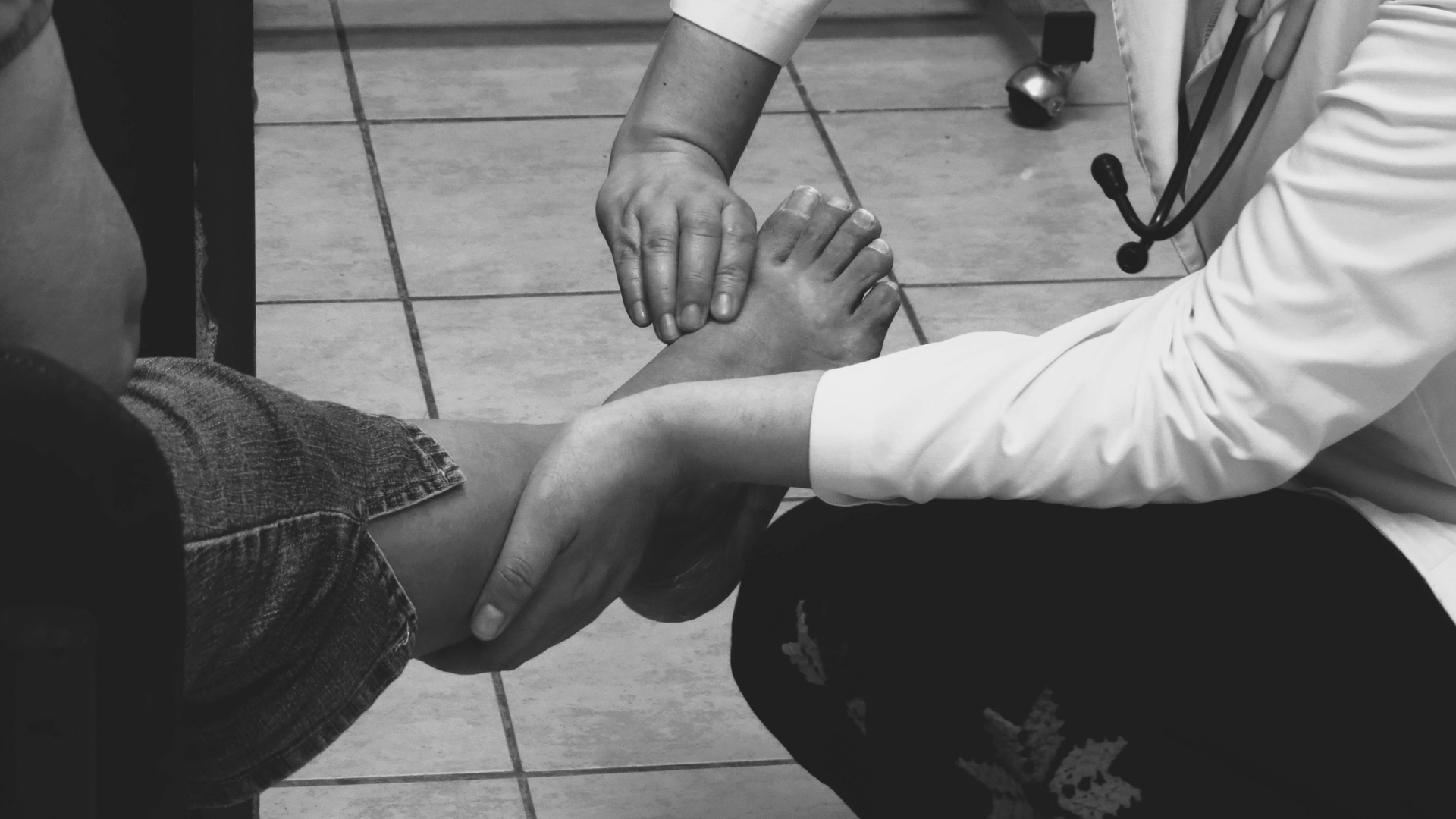
Understanding Podiatry Many people experience foot or ankle pain at some point, but they are not always sure where to turn for care. A podiatrist is a medical doctor who specializes in diagnosing and treating conditions of the foot and ankle. Their goal is to help patients move comfortably, stay active, and avoid pain that interferes with daily life. Podiatrists receive specialized medical training focused entirely on the feet and ankles. Because these areas support the entire body, even minor issues can have a big impact if left untreated. What Conditions Do Podiatrists Treat? Podiatrists treat a wide range of foot and ankle conditions for patients of all ages. From common concerns like heel pain and ingrown toenails to more complex issues such as sports injuries and diabetic foot conditions, podiatrists are trained to handle both routine and advanced care. They also address structural problems, skin and nail conditions, and injuries that affect mobility. By identifying the root cause of foot or ankle pain, podiatrists help patients find long-term relief rather than temporary fixes. When Should You See a Podiatrist? Foot pain is not something you have to live with. If you notice ongoing discomfort, changes in how you walk, or issues with your toenails or skin, it may be time to see a podiatrist. Early care can help prevent small problems from becoming more serious and can reduce recovery time. Patients with diabetes should also see a podiatrist regularly to help prevent complications and maintain foot health. What to Expect During Your Visit During a podiatry appointment, your provider will take time to understand your symptoms and lifestyle. They will examine your feet and ankles and may recommend imaging or other tests if needed. Based on their findings, they will create a personalized treatment plan tailored to your needs. Many podiatry treatments can be done in the office, allowing patients to return to normal activities quickly. Why Foot Health Matters Your feet play a major role in your overall health. Ongoing foot or ankle pain can lead to posture changes and strain on the knees, hips, and lower back. Proper foot care helps keep your entire body moving the way it should. Seeing a podiatrist is an important step in maintaining mobility and preventing future problems. Take the Next Step Toward Better Foot Health If foot or ankle pain is affecting your daily life, a podiatrist can help. With the right care and treatment, many conditions can be managed or resolved. Scheduling an appointment with a podiatrist is a simple step that can make a lasting difference in your comfort and mobility.

A New Year Shouldn’t Start With Pain The beginning of a new year often comes with fresh goals—being more active, feeling healthier, and getting back to routines you enjoy. But heel pain can quickly get in the way. When every step hurts, even small tasks can feel frustrating. Heel pain is one of the most common foot issues treated by podiatrists. Many people try to ignore it or hope it will go away on its own, but without proper care, heel pain often lingers or gets worse over time. Why Heel Pain Happens Heel pain can develop for several reasons, and it often builds gradually. One of the most common causes is plantar fasciitis, which occurs when the tissue supporting the arch of the foot becomes inflamed. Other causes may include strain on the Achilles tendon, wearing shoes without proper support, or spending long hours on your feet. Pain is often most noticeable in the morning or after long periods of rest. While it may ease as you move around, it tends to return and can worsen without treatment. Common Conditions Linked to Heel Pain While heel pain feels similar for many people, the underlying cause can vary. Some of the most common conditions include: Plantar fasciitis Heel spurs Achilles tendon irritation Overuse or repetitive strain injuries Identifying the exact cause is key to getting the right treatment and long-term relief. Why Early Treatment Matters Ignoring heel pain can lead to changes in the way you walk. Over time, this can place added stress on your ankles, knees, hips, and lower back. What starts as foot pain can turn into discomfort throughout your body. Seeing a podiatrist early can help prevent these issues and reduce recovery time. Most heel pain can be treated without surgery when addressed promptly. How a Podiatrist Can Help A podiatrist specializes in foot and ankle care and can create a treatment plan tailored to your needs. Treatment may include stretching exercises, custom orthotics, footwear guidance, or other therapies designed to reduce pain and inflammation. With the right approach, many patients begin to feel relief and regain mobility. Step Into the New Year With Confidence Heel pain does not have to define your year. With proper care and treatment, you can move more comfortably and get back to doing the things you enjoy. If heel pain is holding you back, schedule a visit with a podiatrist and take the first step toward a healthier, pain-free new year.

A new year is the perfect time to focus on your health—starting from the ground up. As we head into 2026, taking care of your feet can help you stay active, comfortable, and ready for everything the year brings. Why Foot Health Matters in the New Year Healthy feet support your overall mobility and daily comfort. Common foot problems can make walking, standing, and even simple activities difficult. Early care can prevent small issues from becoming bigger ones. You may benefit from a podiatry visit if you have: Heel or arch pain Flat feet or high arches Foot or ankle injuries Toenail problems Corns, calluses, or skin issues Pain that keeps coming back How We Help You Start the Year Strong Our podiatry team provides: Comprehensive Foot Exams to identify pain or concerns Treatment Plans for chronic or sudden foot issues Custom Orthotics for support and alignment Footwear Guidance to reduce discomfort and improve stability Preventive Care to keep your feet healthy long-term Start 2026 With Healthy, Pain-Free Feet Make this the year you put your foot health first. Schedule an appointment today to address any concerns and step into 2026 with confidence, comfort, and support.
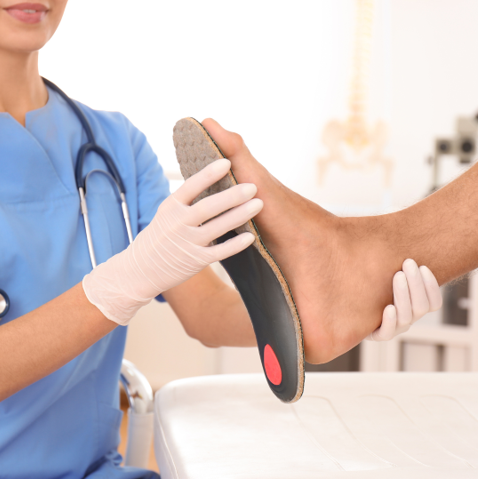
December is the season of giving, and there’s no better gift than comfort. If you’re looking for something meaningful, helpful, and long-lasting, custom orthotics are a great choice. They support the feet, improve balance, and make everyday activities easier and more comfortable. Why Orthotics Make a Great Gift Many people struggle with foot pain, tired feet, or discomfort when walking or standing. Custom orthotics can help by: Reducing foot, heel, and arch pain Providing better alignment and support Improving comfort during work, exercise, and daily routines Helping prevent future foot problems They are a thoughtful gift for anyone—especially those who stay on their feet all day, enjoy being active, or dealing with ongoing foot issues. How Our Team Can Help Our podiatry team offers: Custom Orthotic Fittings tailored to your foot shape and needs Foot Evaluations to identify pain points and pressure areas Supportive Shoe Recommendations for everyday comfort Ongoing Care for long-term foot health Give Comfort This Christmas If you’re searching for a gift that truly helps someone feel better, custom orthotics are a smart and meaningful choice. Contact our office to schedule an appointment or learn more about how orthotics can bring comfort all year long.